
Linguistic Displacement and Cultural Marginality: Translating Tribal Experiences in Mahasweta Devi and Gopinath Mohanty
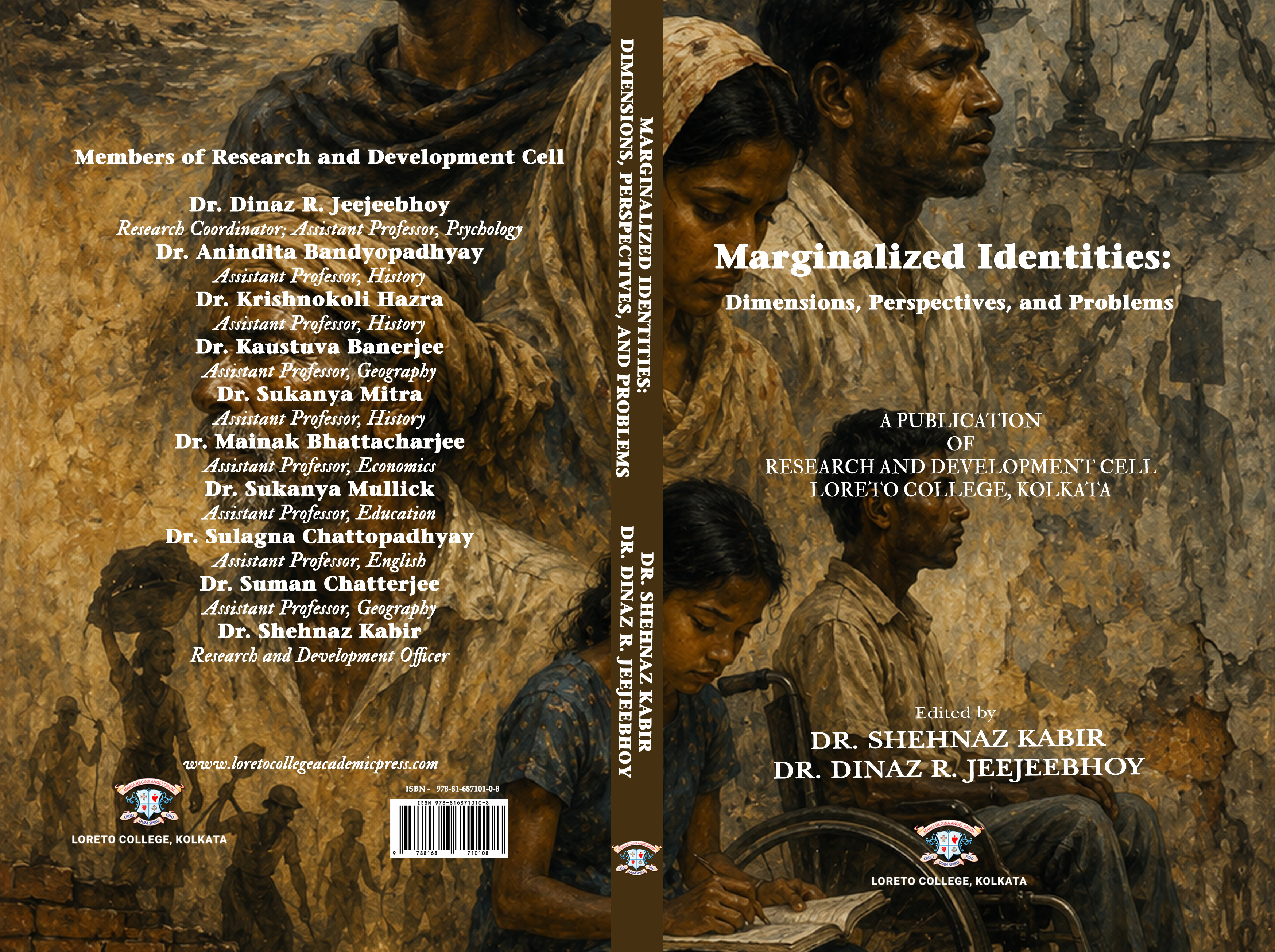
Published 03.07.2026
Keywords
- postcolonial translation,
- subaltern representation,
- tribal literature,
- small voice of history,
- language movements
- politics of representation,
- decolonisation ...More
How to Cite

This work is licensed under a Creative Commons Attribution-NonCommercial 4.0 International License.
Abstract
This paper intends to critically examine the representation of tribal communities in the fictional writings of Mahasweta Devi and Gopinath Mohanty, interrogating the political and ideological challenges that their linguistic strategies pose for translators. Both authors deploy language as an instrument of resistance against dominant social, administrative and historical discourses and this paper situates that deployment within the broader framework of language movements in postcolonial India, the authors’ own socio-political locations and the institutional conditions governing their translation into English. Drawing on Ranajit Guha’s concept of the small voice of history, Ngũgĩ wa Thiong’o’s theorisation of linguistic decolonisation and postcolonial translation theory, the paper argues that the movement of these texts into English is not a neutral act of cultural mediation but a site of multiple, historically determined power negotiations. The politics of representation operative in these translation projects is analysed in terms of both agency and historicity, with attention to the publishing market, literary reception and the specific translatorial decisions of Gayatri Chakravorty Spivak, Bikram Das and Sarmistha Dutta Gupta, among others.
DOI - https://doi.org/10.66496/LCAP.9788168710108.2026.277-301