
Genocide, Statelessness and Poetic Witness: Rohingya Identity and the Politics of Marginalization
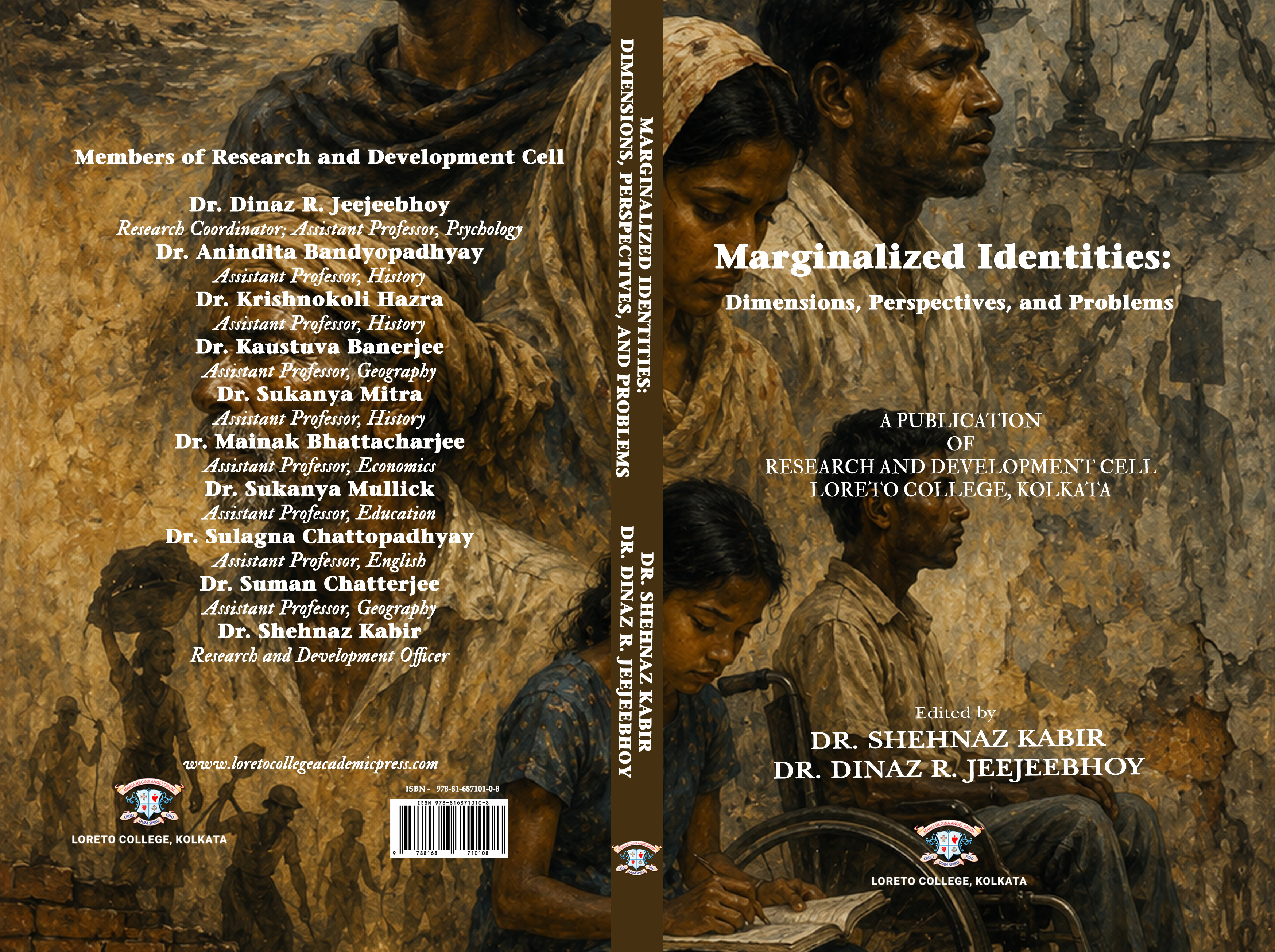
Published 03.07.2026
Keywords
- Rohingya,
- marginalized identities,
- genocide,
- poetry of witness,
- statelessness
How to Cite

This work is licensed under a Creative Commons Attribution-NonCommercial 4.0 International License.
Abstract
This chapter examines Rohingya poetry as an articulation of marginalized identity shaped by genocide, statelessness and forced displacement. Drawing upon I Am a Rohingya: Poetry from the Camps and Beyond (Byrne & Doja, 2019), survivor testimonies and trauma studies, the essay analyses how poetic language functions as witness literature. It argues that Rohingya verse negotiates erasure through memory, grief and ethical appeal, transforming collective trauma into resistant self-representation. By situating these poems within discourses of marginalization, exile and post-traumatic subjectivity, the chapter demonstrates how literary expression becomes a site of survival and political visibility.
DOI -https://doi.org/10.66496/LCAP.9788168710108.2026.323-339