
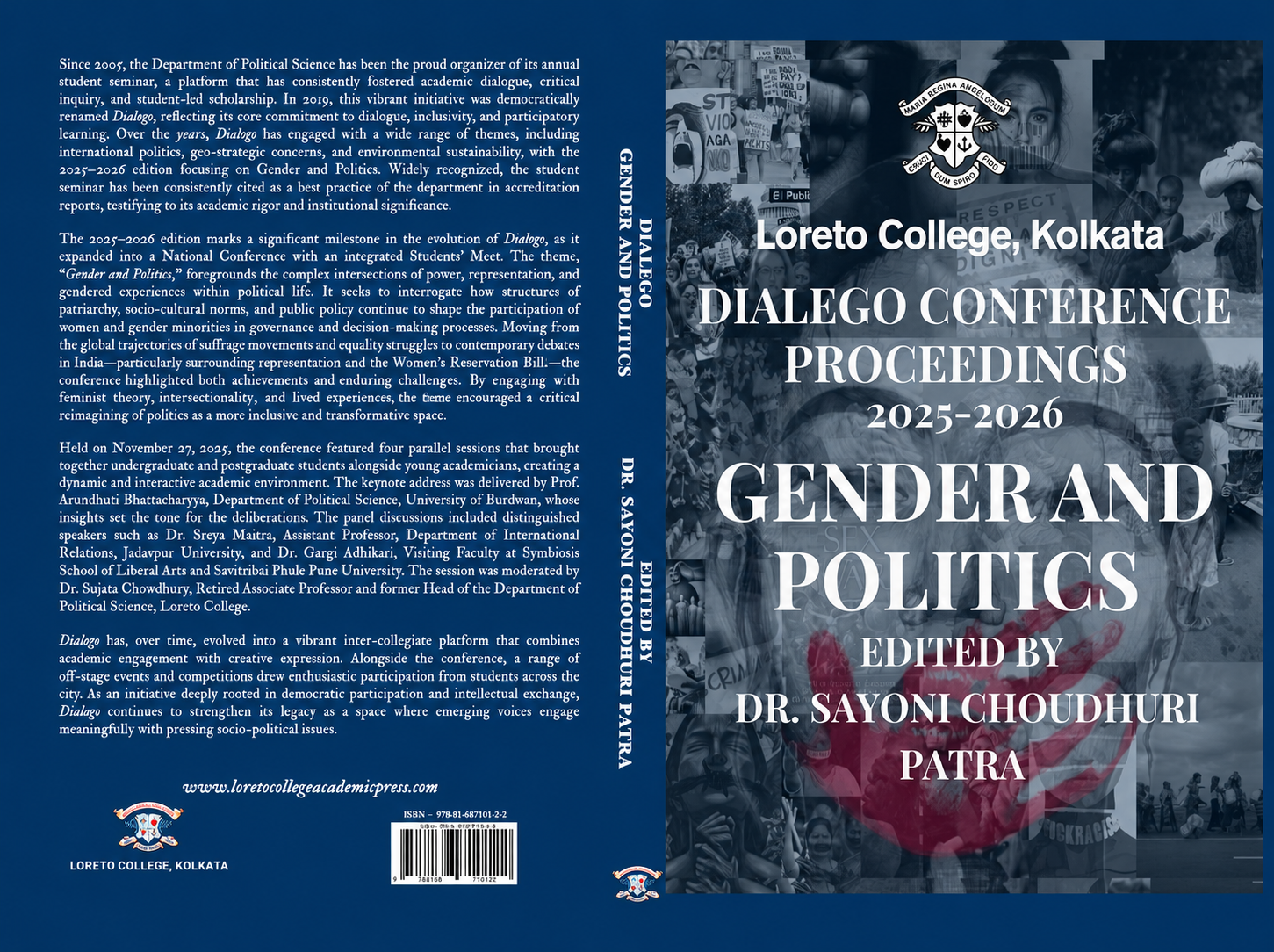
Published 27.07.2026
How to Cite

This work is licensed under a Creative Commons Attribution-NonCommercial 4.0 International License.
Abstract
Rape is a word that evokes fear just by saying it. Even though it is the most violent form of crime, the stigma associated with it has persisted. The judiciary, police, and courts claim that the legal system has evolved to support women who have been victims of rape, as has been the case, allegedly, from Nirbhaya to Abhaya. The Chief Justice of India, B. R. Gavai, has drawn attention to India’s developing legislative reforms intended to better protect survivors of sexual assault and redefine consent by denouncing the 1979 Supreme Court acquittal in a custodial rape case. There are additional stories of lengthy delays in starting investigations into allegations of sexual assault in India. Police delays are a common occurrence, according to Audrey D’Mello, Director of Majlis, a non-profit organisation that provides legal counselling to women and children who are victims of sexual and domestic abuse, who spoke to CNN. Ninety per cent of the 2,500 rape cases Majlisha worked on over the previous twelve years have had delayed FIRs, according to D’Mello. (Sashikala VP, CNN n.d.-b)
DOI - https://doi.org/10.66496/LCAP.9788168710122.2026.110-127