
Kink, Crime, and the Gaze: Negotiating Gendered Power, Sexuality, Madness, and Political Resistance in Gotham’s Harley Quinn and Catwoman
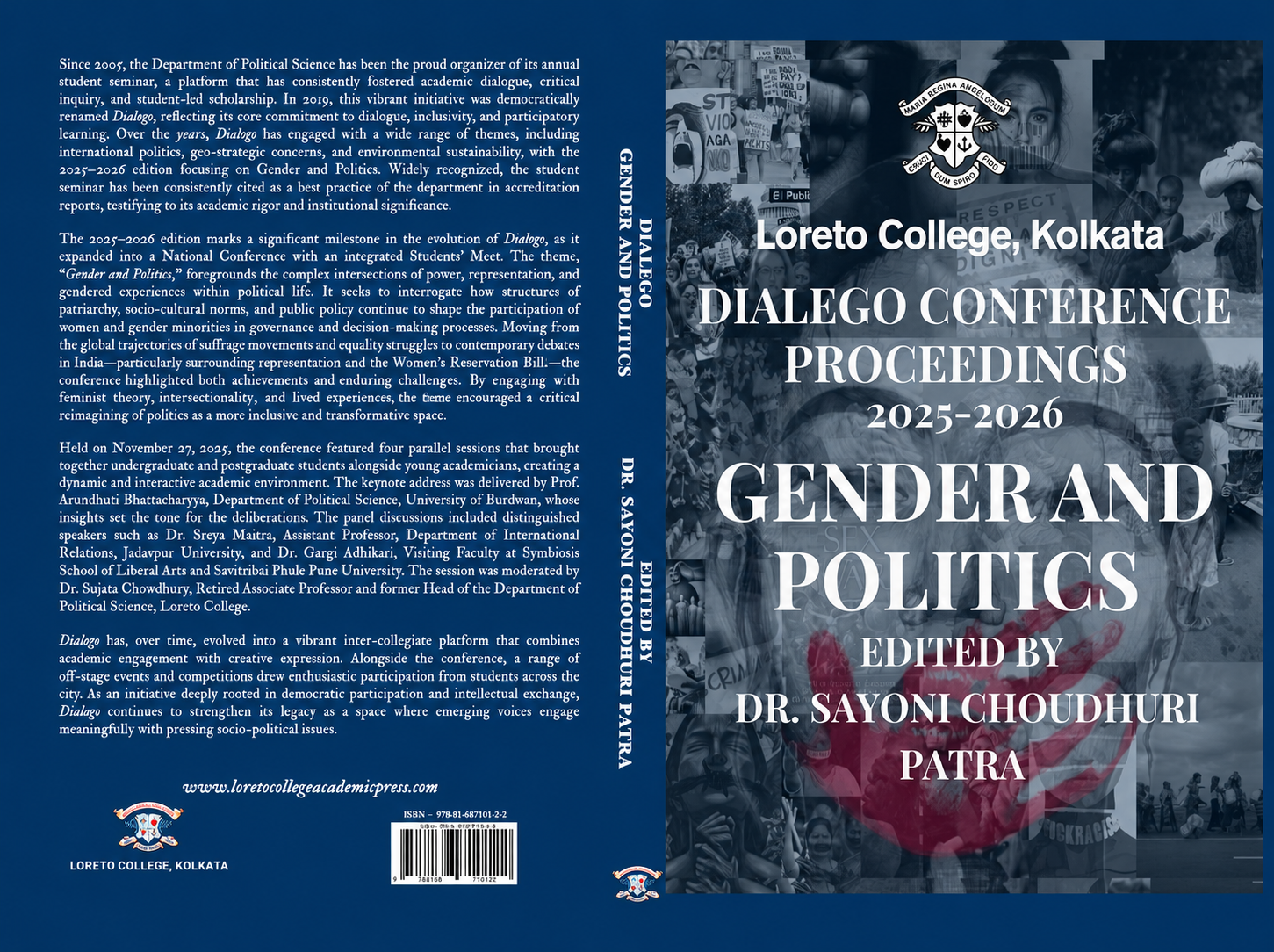
Published 27.07.2026
Keywords
- Comics,
- Gaze,
- Kink,
- Madness,
- Politics
- Power,
- Sexuality ...More
How to Cite

This work is licensed under a Creative Commons Attribution-NonCommercial 4.0 International License.
Abstract
In the history and the ever-unfolding tapestry of comic book narratives, anomalies as radiant as criminality, sexuality, and madness enacted by women, refuse to be contained within the patriarchal frames that first bore them. Harley Quinn and Catwoman, born in the shadows of Gotham, have travelled from the margins of the mainstream comics into richly textured icons of ambivalence and this paper seeks to examine the figures as political texts within the comic book medium, arguing that their representations of kink, crime, madness, and feminine spectacle participate in broader structures of gendered politics. Drawing from Mad Love (1994), Harleen (2019), Catwoman: Year One (1987), Catwoman: Her Sister’s Keeper (1989), Catwoman (2002– 2005), Lonely City (2022), and Gotham City Sirens (2009–2011), the paper seeks to analyse Harley’s relationship with the Joker which reveals the political structures that govern female deviance and her reclamation of madness which becomes a political refusal to submit to patriarchal rationality, and the Catwoman is seen to negotiate power through criminality and kink-coded performance. The paper employs Carole Pateman’s sexual contract, Michel Foucault’s disciplinary power, Sylvia Walby’s theory of patriarchy as a multi-institutional system, Laura Mulvey’s theory of male gaze, Stuart hall’s cultural politics of representation, Adrienne Rich’s critique of compulsory heterosexuality, and Angela McRobbie’s postfeminist politics. The argument of the paper highlights how Harley Quinn and Catwoman are not merely ironic ‘bad girls’, but they are political agents who are navigating and resisting patriarchal power structures through kink, crime, and spectacle, where their bodies, desires, and madness become instruments of negotiation within gendered political systems, transforming the comic page into a battlefield where power is contested and alternative feminist futures are imagined.
DOI - https://doi.org/10.66496/LCAP.9788168710122.2026.128-144