
The Other Gender of Antiquity: Representations of Women in Cultural Documents of Mauryan & Gupta Era
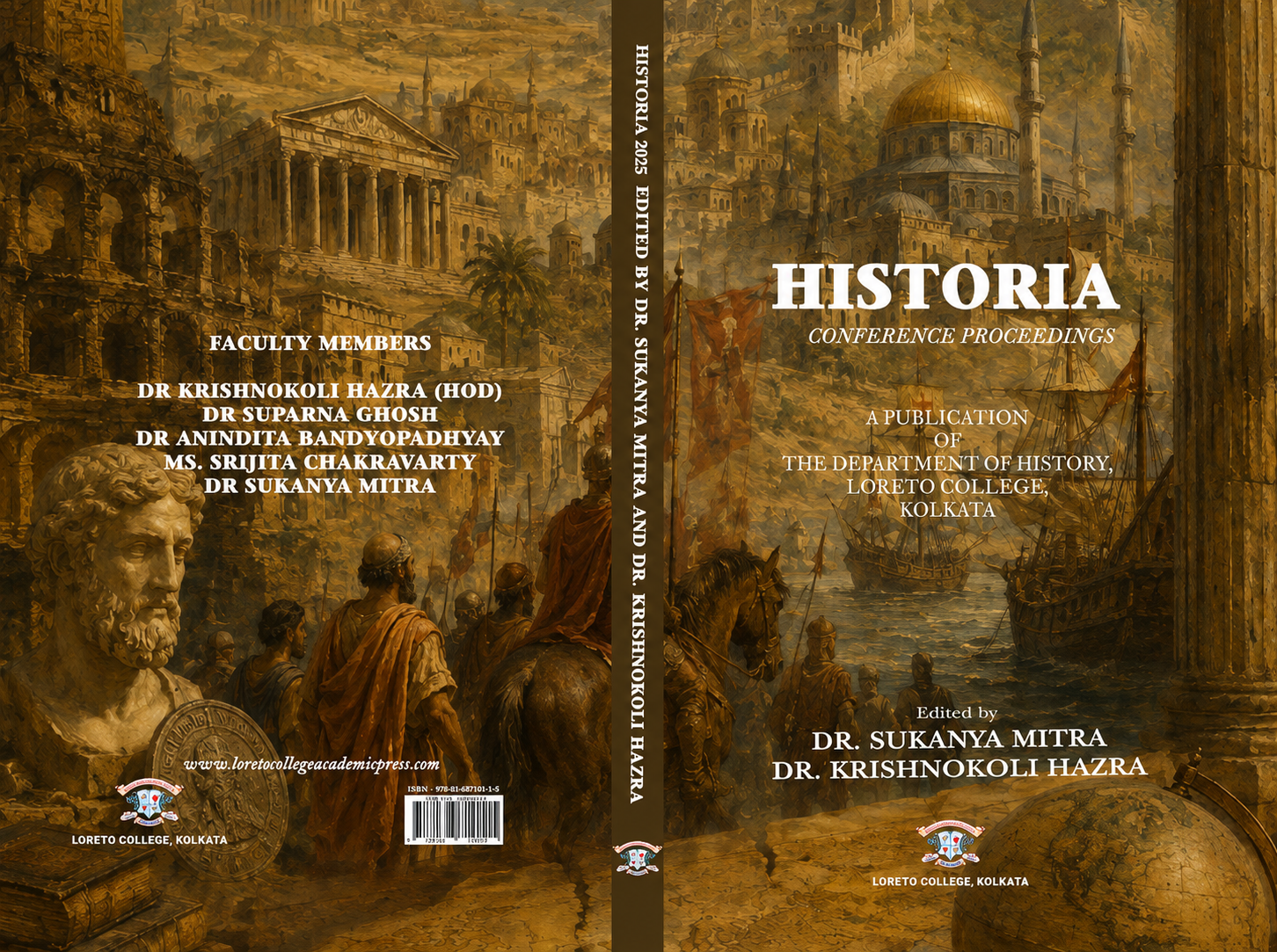
Published 05.08.2026
How to Cite

This work is licensed under a Creative Commons Attribution-NonCommercial 4.0 International License.
Abstract
The main purpose of this paper is to acquire an understanding of the status of women in ancient India through art and literature. The cultural imagination of ancient India is deeply intertwined with the ways in which gender was conceptualized, represented, and preserved within its literary, artistic and political traditions. Among these, the portrayal of women during the Mauryan (c.322-185 BCE) and Gupta (c. 320-550CE) eras stands out as a critical field of inquiry, revealing shifting socio-cultural values across two of the subcontinent’s most influential dynastic periods. The Mauryan Empire, shaped by Buddhist ethics, administrative centralization, and a pragmatically ordered society produced inscriptions, treatises and artistic programs that framed women within moral, domestic, occasionally political spheres. In contrast, the Gupta period-frequently idealized as a “Golden Age”- generated refined literary narratives, classical artistic forms and courtly traditions that recast female identity through ideals of beauty, virtue, fertility and intellectual grace. A close examination of cultural documents from these eras-—reveals both continuity and transformation in gendered representations.
DOI - https://doi.org/10.66496/LCAP.9788168710115.2026.59-69