
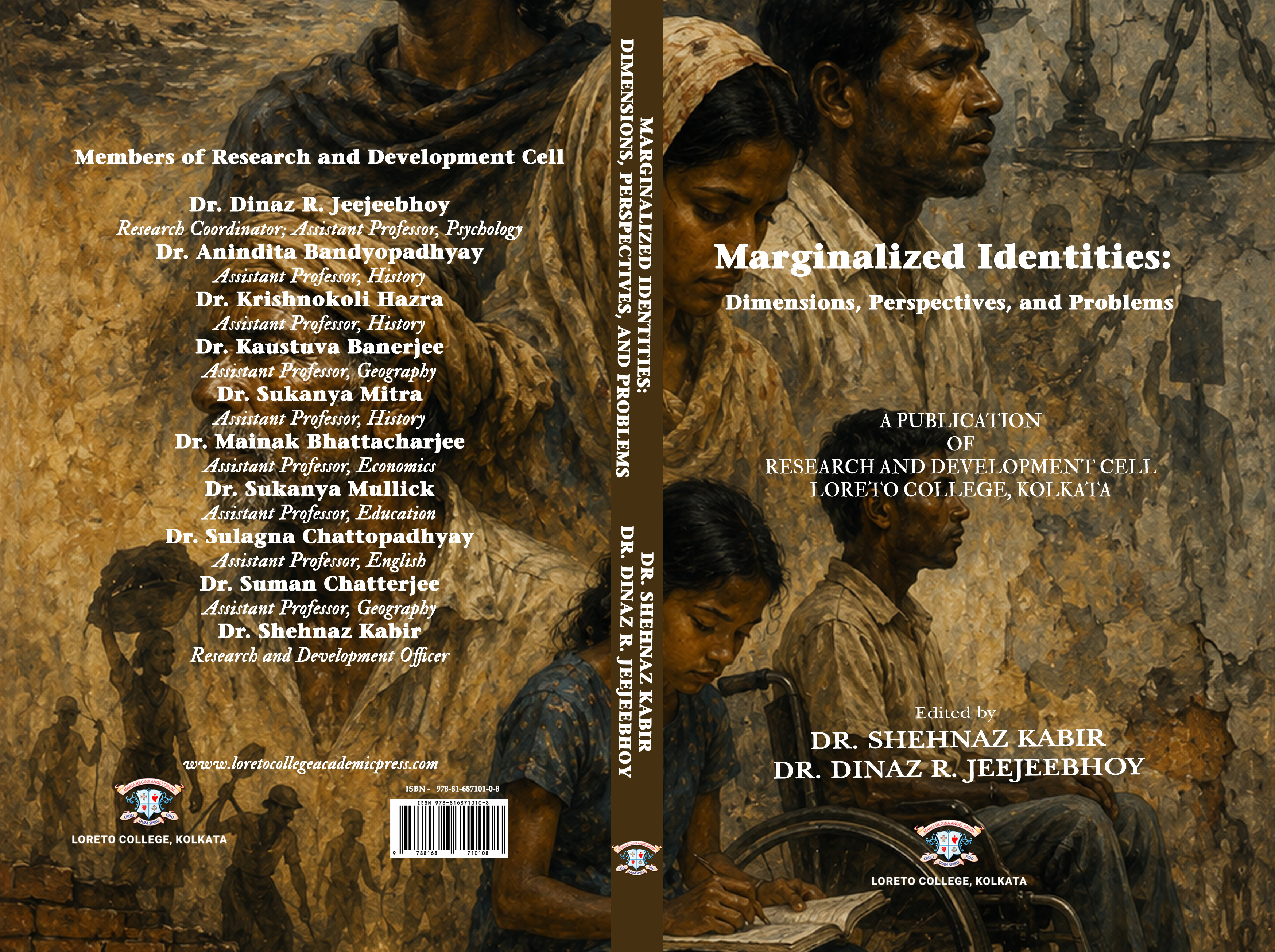
Published 03.07.2026
Keywords
- Citizenship Amendment Act,
- Harichand Thakur,
- Matua Community,
- Scheduled Caste,
- Welfare
- & West Bengal ...More
How to Cite

This work is licensed under a Creative Commons Attribution-NonCommercial 4.0 International License.
Abstract
The paper discussed the socio-economic conditions of Matua community in West Bengal. It has found that the community of Matuas in West Bengal, mainly consisting of the Scheduled Caste who migrated from Bangladesh, is struggling with socio-economic circumstances characterized by severe poverty, rural isolation, and dependence on farming and daily labour wages. They are in larger numbers in North 24 Parganas and Nadia regions. They still have lack in education and suffer from inequality of income, where most families are earning low income. Although they have seen some success in literacy rates, gender discrimination and quest for citizenship remain prominent factors in their socio-economic life. These challenges are foundational in nature due to their origin being the displacement experienced by them historically, majorly focusing on Citizenship Anxiety Act, socio-economic discrimination, and educational inequalities. Several policies have been launched by the Government of West Bengal to empower the Matua community by helping them socially and economically and educating them and acknowledging their cultural identity.
DOI - https://doi.org/10.66496/LCAP.9788168710108.2026.231-248