
Published 03.07.2026
Keywords
- Inclusive Education,
- Marginalized Identities,
- Higher Education in India,
- Social Inequality,
- Urban Universities
How to Cite

This work is licensed under a Creative Commons Attribution-NonCommercial 4.0 International License.
Abstract
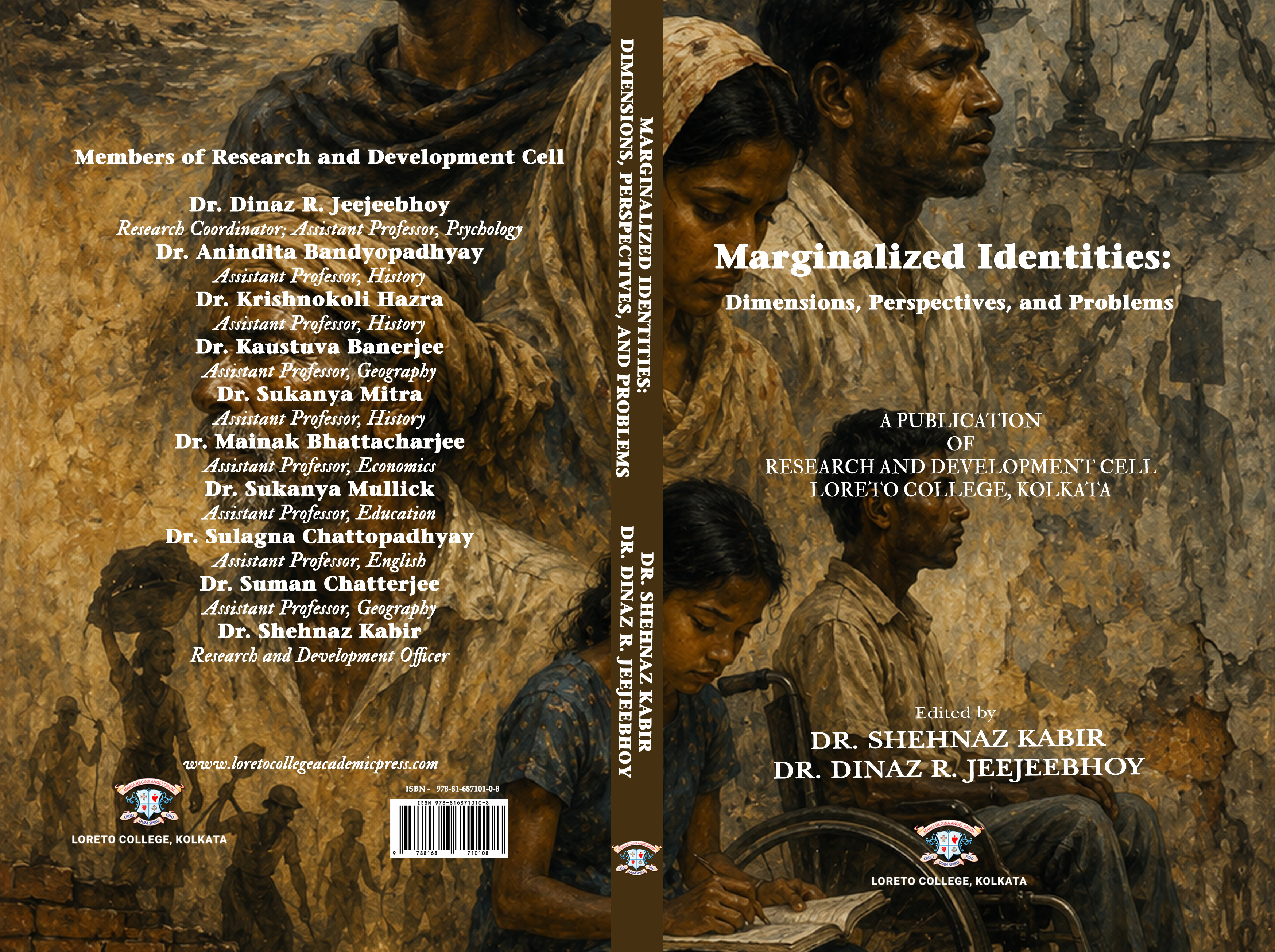
This chapter examines the multidimensional complexities that continue to shape the lived experiences of marginalized identities navigating through higher education in urban India. While diversity within universities is increasingly visible in the recent past, inclusion continues to be unevenly experienced. The presence of students from marginalized communities does not translate to equal participation or adequate representation within the institutional structures. The Indian education system and its inherent variance is often identified through the coexistence of differentiating ideologies, religions, castes, classes, genders, sexualities, orientations, disabilities and socio-economic inequity whilst enduring several discrepancies in the process towards absolute integration. The current accessibility provisions such as inclusive enrolments and multidisciplinary courses have potentially introduced these marginalized communities into mainstream higher education; however, acceptance and support systems are relatively conditional. This study further mentions the need for reforming existing policies whilst addressing internalized disparities that produce both subtle and overt barriers within the educational premises. Additionally, highlighting the inconsistences that restricts the gradual progress from inclusivity as a symbolic norm to a shared responsibility.
DOI - https://doi.org/10.66496/LCAP.9788168710108.2026.51-71