
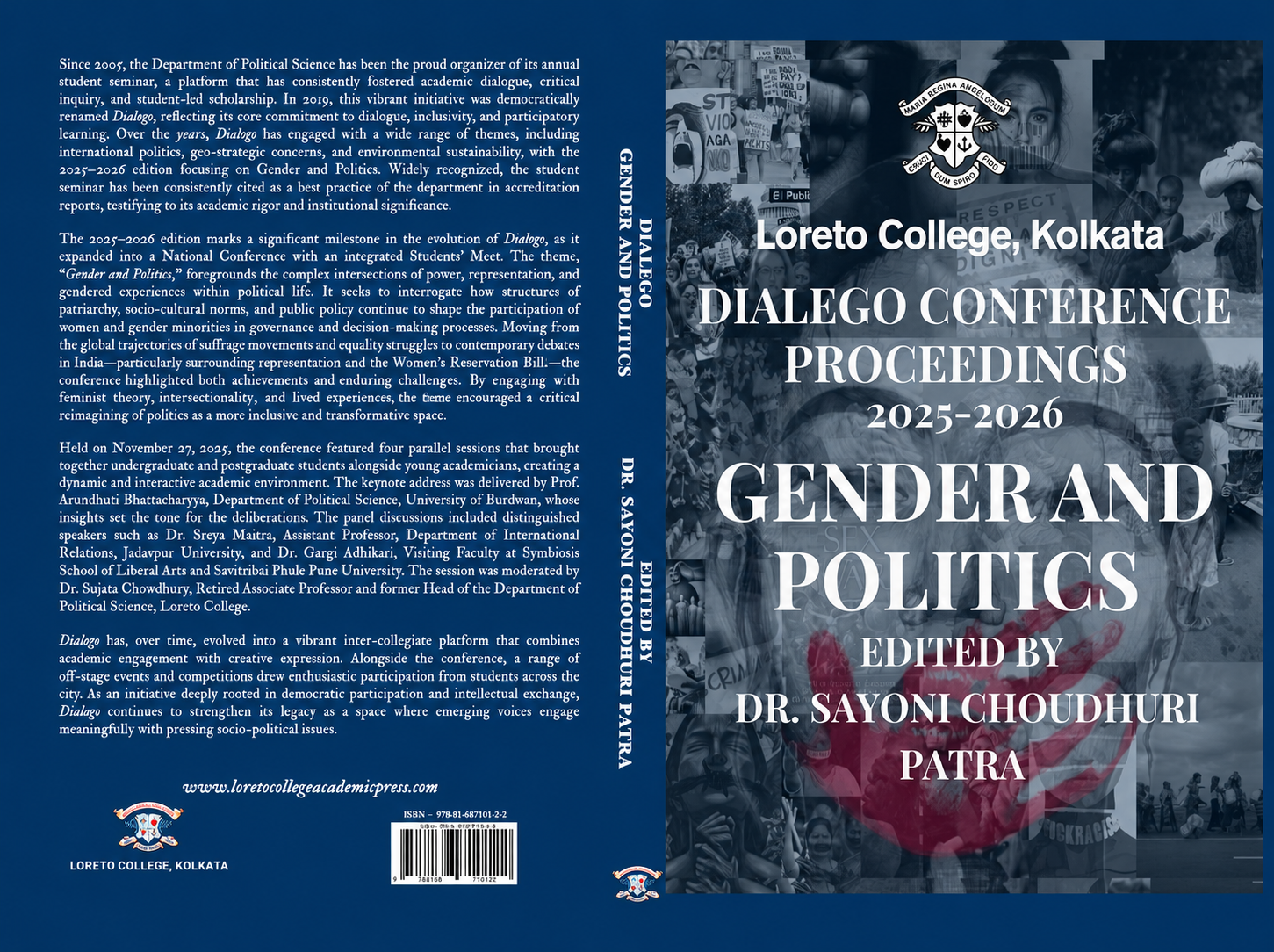
Published 27.07.2026
Keywords
- Gender Quotas,
- Women’s Political Representation,
- Comparative Analysis
How to Cite

This work is licensed under a Creative Commons Attribution-NonCommercial 4.0 International License.
Abstract
Over the past three decades, gender quotas have emerged as a key international policy instrument for increasing women’s political representation. The recognition that representative democracy lacks legitimacy when half of the population remains structurally excluded has driven demands for gender equality in political participation. Today, more than 110 countries have adopted gender quotas in various forms, including legislative quotas, reserved seats, and voluntary party quotas. These mechanisms have significantly enhanced the descriptive representation of women and, in many cases, strengthened the substantive articulation of gender-sensitive policies (Paxton, Hughes & Painter, 2009). However, despite their widespread adoption, the impact, enforcement, and design of quotas vary considerably across regions, producing notable paradoxes such as tokenism, elite capture, proxy representation, and resistance that limits women’s effective participation.
DOI - https://doi.org/10.66496/LCAP.9788168710122.2026.189-202