
Neurodiversity And Social Exclusion: Understanding Marginalization of Neurodevelopmental Differences
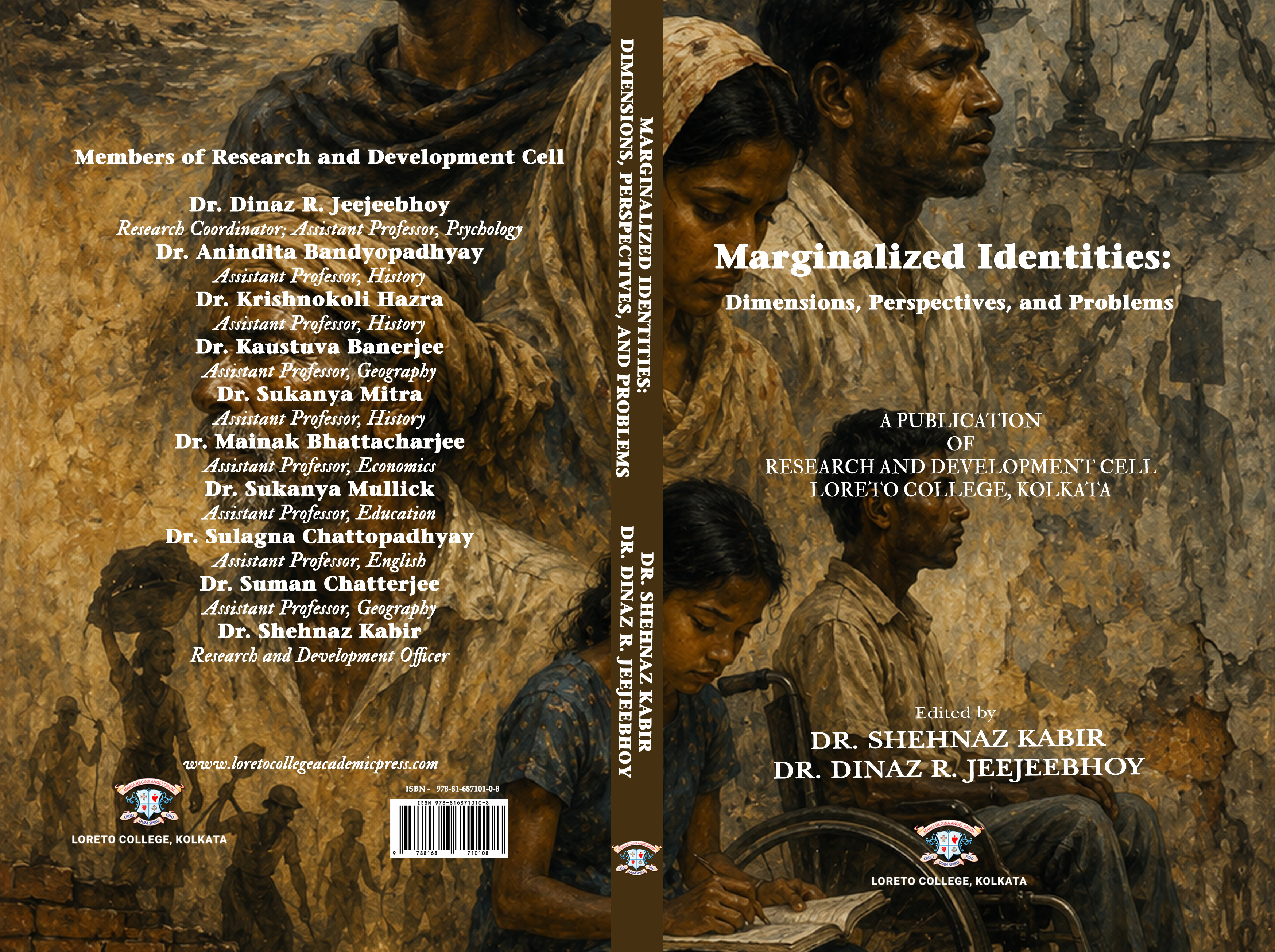
Published 03.07.2026
Keywords
- Neurodevelopmental Disorders,
- Marginalization,
- Stigma,
- Social Exclusion,
- Neurodiversity
How to Cite

This work is licensed under a Creative Commons Attribution-NonCommercial 4.0 International License.
Abstract
Marginalization is a multilayered concept resulting from the actions of human society that are conceived socio-economically and politically, where a person or group is made to feel of lesser importance by those in power. The dominant society identifies a marginal group, which leads to discrimination and subordination. This often results in these groups being perceived as less human, useless, or undesirable for progression. Marginalization can manifest in various contexts, including towards individuals who are suffering from mental health conditions. Neurodevelopmental disorders are conditions that typically begin in the early developmental period of life, causing impairments in the social, academic, or occupational function. The DSM-5-TR categorizes intellectual developmental disorders, communication disorders, Autism Spectrum Disorder, Attention-Deficit/Hyperactivity Disorder, Motor Disorders, and Specific Learning Disorders under Neurodevelopmental Disorders. Because these conditions diverge from societal norms, individuals with Neurodevelopmental disorders are often stigmatized and viewed as less capable. People with such conditions and their families often internalize these negative attitudes, resulting in low self-esteem, anxiety, and social withdrawal. Caregivers frequently report a lack of social support and acceptance from family or community, leading them to withdraw from public life. Historically, people with cognitive or behavioural differences were derogatorily labelled and often segregated from society. This legacy of dehumanization persists even today, with many schools, workplaces, and public services failing to accommodate neurodiverse learners, so individuals with Neurodevelopmental disorders cannot access needed resources or opportunities. The present chapter incorporates a narrative review-based approach to outline the key psychosocial frameworks and sociological models that explain how neurodivergent identities become marginalized in various contexts in society. The chapter also explores the attitudes of others toward individuals with neurodevelopmental disorders, the ways in which they cope with everyday challenges, and the forms of discrimination they encounter in different social contexts.
DOI - https://doi.org/10.66496/LCAP.9788168710108.2026.120-142